
The Quicksand Model® of Coercive Control: Reflections on the Assassination of Charlie Kirk
Kate Amber, MSc Posted on: September 17, 2025
The recent assassination of Charlie Kirk has sent shockwaves through the nation, not only for the tragic loss of life but also for the disturbing patterns of coercive control that have emerged in the aftermath. As the founder of The Quicksand Model® and a lifelong supporter of ending coercive control (even though I didn’t always know what it was called), I am compelled to examine how the administration’s and media’s responses to this event have mirrored the very dynamics of abuse and manipulation that our movement seeks to expose and dismantle. The reactions—marked by double standards, double speak, and the classic DARVO (Deny, Attack, Reverse Victim and Offender) maneuver—offer a sobering case study in how coercive control operates far beyond the private sphere, infecting our public discourse and political institutions.
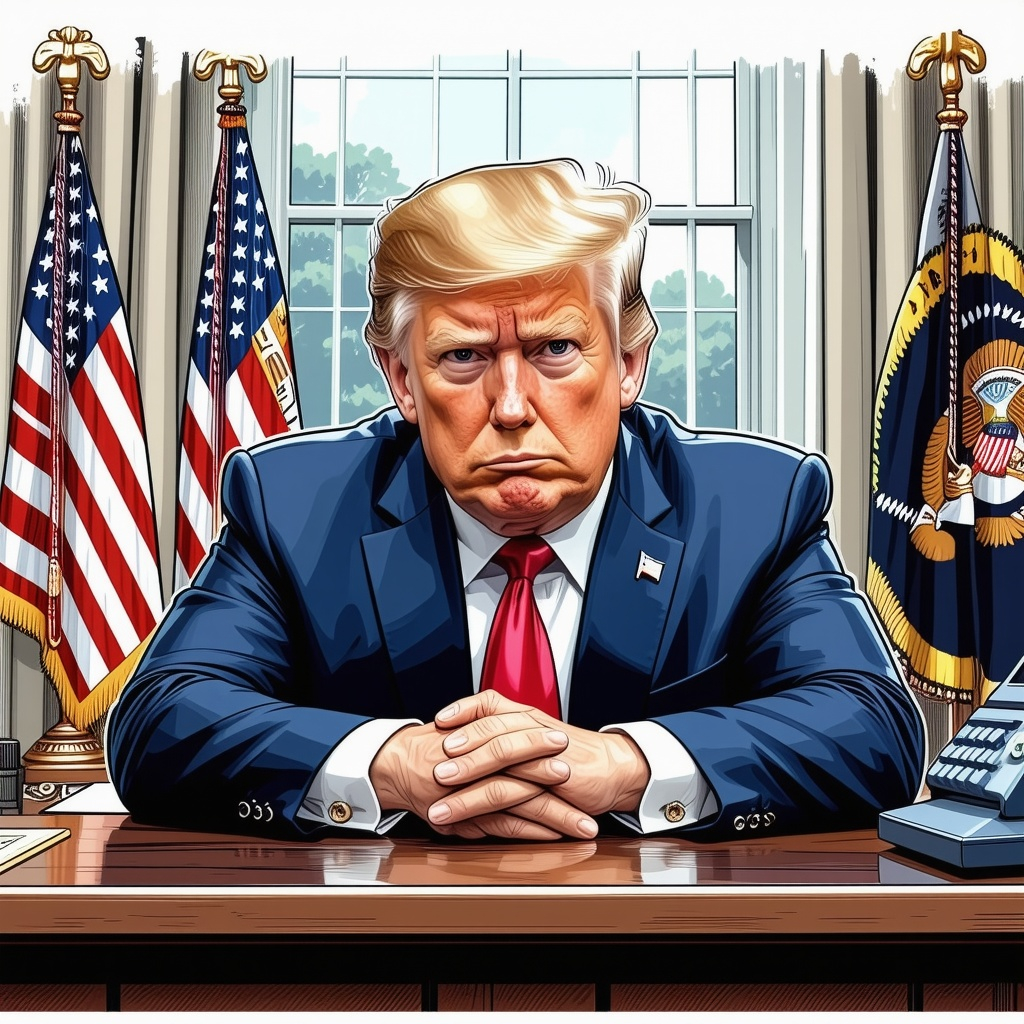
In the immediate aftermath of Charlie Kirk’s murder, the administration and prominent Republican figures, including President Trump, wasted no time in shaping the narrative. Before any facts about the perpetrator were known, the talking points were clear and coordinated: this was the act of a “leftist lunatic,” a symptom of a supposed epidemic of left-wing violence, and a direct attack on conservative values. The media, in lockstep, amplified these claims, stoking fear and division. This rush to judgment exemplifies a common weapon of coercive control: the imposition of a single, self-serving narrative that silences dissent and precludes critical inquiry, which, within The Quicksand Model® falls under fraud.
Although the investigation is ongoing, as it unfolds it is becoming clear that the motivation for the killing is more complex, and most likely the actions of a single individual who was raised by a Republican Mormon family—and one who was regularly photographed with guns. As this information surfaced, the narrative shifted abruptly. Suddenly, the administration and its media allies pivoted to downplay the political motivations, emphasizing mental health and “lone wolf” explanations. This is a textbook example of double standards and double speak, both central to The Quicksand Model®. When the facts fit the preferred narrative, they are weaponized; when they do not, they are minimized or reframed. The rules change depending on who is implicated, revealing a deep hypocrisy at the heart of the response.
This pattern is not merely rhetorical; it is a form of psychological manipulation that mirrors the tactics of coercive controllers in abusive relationships. Double standards—where one set of rules applies to the in-group and another to the out-group—serve to maintain power and control, while double speak—weaponizing language to obscure, distort, or reverse meaning—confuses and destabilizes the public, making it harder to hold anyone accountable. These are not isolated incidents but part of a broader pattern of coercive control in political discourse, as research has shown.
The president’s assertion that leftists are the primary source of political violence is not only misleading but directly contradicted by a wealth of data from government agencies and independent researchers. In fact, right-wing extremist violence has been responsible for the overwhelming majority of domestic terrorism fatalities in the United States over the past decade, accounting for approximately 75% to 80% of such deaths, while left-wing extremist incidents comprise only about 10–15% of incidents and less than 5% of fatalities. Most left-wing violence has targeted property rather than people, whereas right-wing attacks have resulted in far more casualties, including high-profile mass shootings. The FBI, DHS, and multiple academic studies have consistently identified racially or ethnically motivated violent extremists—particularly those on the far right—and anti-government extremists as the most persistent and lethal domestic terrorism threats in recent years. By perpetuating the false narrative that left-wing violence is the greater threat, political leaders and media outlets not only distort the facts but also engage in the very coercive control tactics—double standards and double speak—that The Quicksand Model® warns against.
Perhaps most insidious is the use of DARVO, a tactic I have long identified in my work. In the days following the assassination, we saw the administration and its supporters Deny any responsibility for the toxic political climate, Attack those who called for accountability or gun reform, and Reverse Victim and Offender by portraying themselves as the true victims of “media bias” and “leftist attacks.” This maneuver not only deflects blame but also serves to silence and intimidate critics, reinforcing the coercive controller’s grip on the narrative.
The Quicksand Model® teaches us that coercive control is not just about overt violence; it is about the subtle, persistent erosion of truth, trust, and agency. When those in power manipulate narratives, shift blame, and apply double standards, they are engaging in the same dynamics that trap targeted victims in abusive relationships. The public, in this sense, becomes collectively gaslit—unable to trust what they see and hear, and increasingly powerless to demand accountability.
As proponents of ending coercive control, we must call out these patterns wherever they appear. The assassination of Charlie Kirk is a tragedy, but the administration’s coercively controlling response is a warning. If we allow double standards, double speak, and DARVO to define our public discourse, we risk sinking ever deeper into the quicksand of coercive control. Our mission at End Coercive Control USA is to shine a light on these dynamics, demand transparency, and empower all people—survivors, citizens, and communities—to resist the pull of coercive control in every sphere of life.
While it is undeniable that Charlie Kirk’s views and actions were often provocative and incendiary—frequently sparking intense debate and controversy—he, like every American, was entitled to the fundamental right of free speech enshrined in the First Amendment. As we honor that right, it is imperative that we also remain vigilant in demanding that political figures, media organizations, and social media platforms do not misrepresent facts or manipulate narratives for partisan gain. Only by upholding both the freedom to speak and the responsibility to tell the truth can we foster a society that is both open and just not by succumbing to the politics of fear and control, but by recommitting ourselves to truth, accountability, and the relentless pursuit of justice for all.
About the Author
Kate Amber, MSc, is dedicated to ending coercive control and promoting healthy relationships. Her work with End Coercive Control USA focuses on providing insights and support for those striving to create compassionate and respectful connections.
The Quicksand Model™ Training Programs are available for schools, groups, religious organizations, non-profits, businesses, government etc.
Free Consultations: coercive control expert witness & coercive control consulting for survivors
Free Consultations: coercive control speaker, trainer, consultant or expert witness for organizations, companies & systems
Nothing in this blog is intended to diagnose or treat. It is for informational purposes only.
Hello!
I’m Kate. Welcome to my blog. Please feel free to comment & disagree. Critical Thinking is WELCOME!
Recent Posts